
From classroom learning to real projects: reflections on studying Mechanical and Sustainable Engineering at Arcada
Published : 29.06.2026 / Blog
Hussein expected equations and theory—but instead found himself testing materials, building prototypes, and solving real engineering problems from the start. Studying Mechanical and Sustainable Engineering at Arcada quickly turned out to be far more hands-on than anticipated, shaping his skills through practical experience with labs, projects, and engineering tools rather than textbooks alone.
This blog post is written by Hussein El Doukhi, student in the bachelor's degree programme Mechanical and Sustainable Engineering at Arcada.
When I began studying Mechanical and Sustainable Engineering (MSE) at Arcada, I anticipated focusing primarily on mathematics, mechanics, and engineering theory. However, I was most surprised by the programme's practical orientation and the numerous opportunities to engage in real projects, utilise engineering software, and gain hands-on laboratory experience.
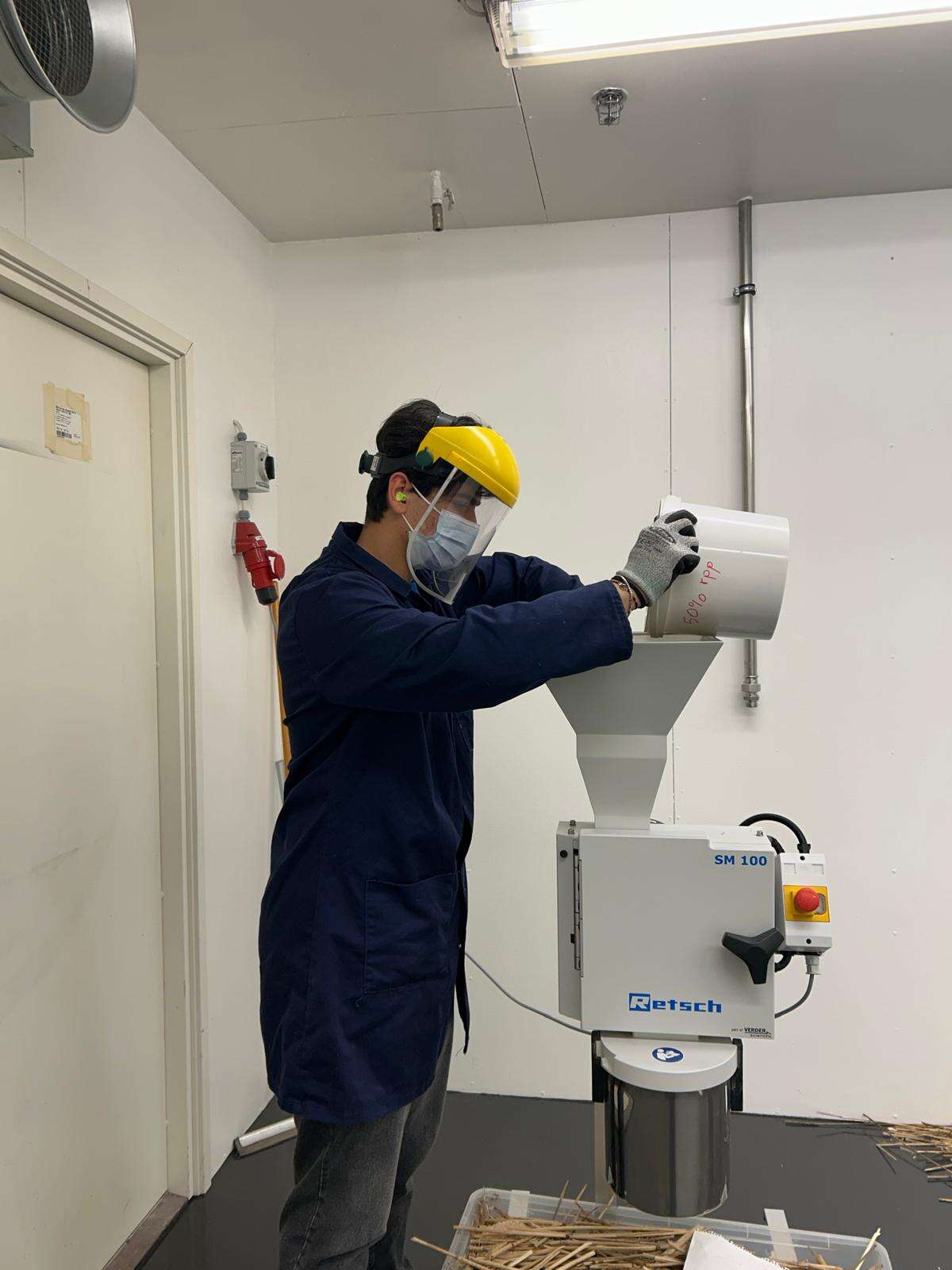
Laboratory exercises have been among the most valuable aspects of the MSE programme. Across various courses, I have participated in material testing, simulations, product development, and studies of manufacturing methods. Rather than focusing solely on theoretical knowledge, these activities have demonstrated how engineering principles are applied in practice. Working with testing equipment and observing material behaviour under different conditions has deepened my understanding of the relationship between calculations, simulations, and real-world engineering applications.
Mastering engineering tools and software
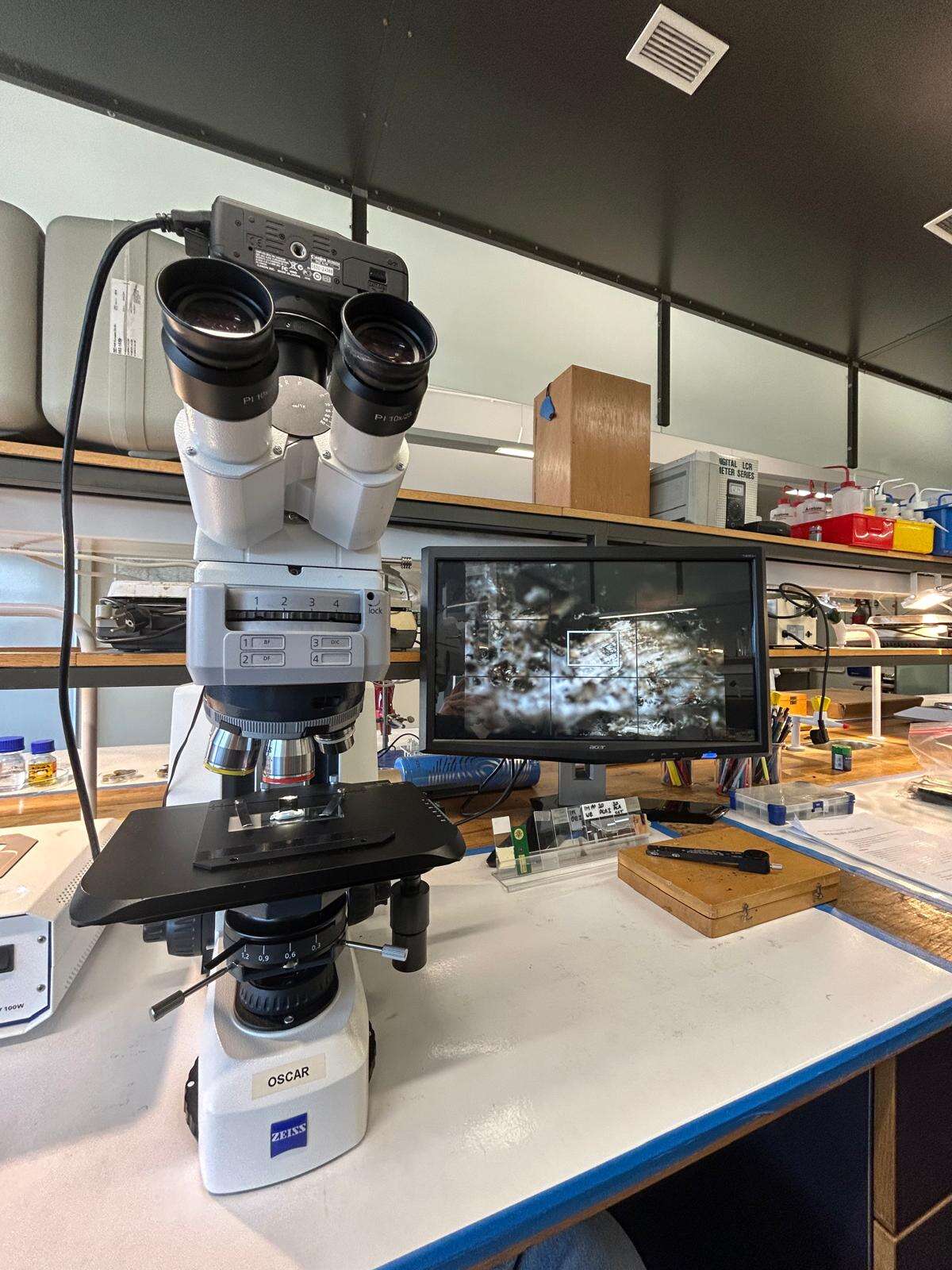
Learning to use engineering software such as SolidWorks and COMSOL Multiphysics has also been a significant component of my studies. Initially, mastering these programs was challenging, but over time, I developed confidence in creating models, analysing structures, and addressing engineering problems. Observing my progress and applying these skills in various projects and assignments has been particularly rewarding.
Turning ideas into reality: the reed hackathon experience
Participating in the Baltic Reed Hackathon project at Arcada stands out as one of the most memorable experiences of my studies. Collaborating with fellow students, I contributed to the development of sustainable product concepts utilising reed-based materials and 3D printing technologies. The project involved brainstorming, creating CAD models, and developing prototypes, which enhanced my understanding of sustainable product design and innovation. Observing the transformation of our ideas into tangible products was particularly rewarding. The project was subsequently featured in a co-authored publication on Arcada’s Engineering and Technology blog, where we reflected on the hackathon process, sustainability, and product development.
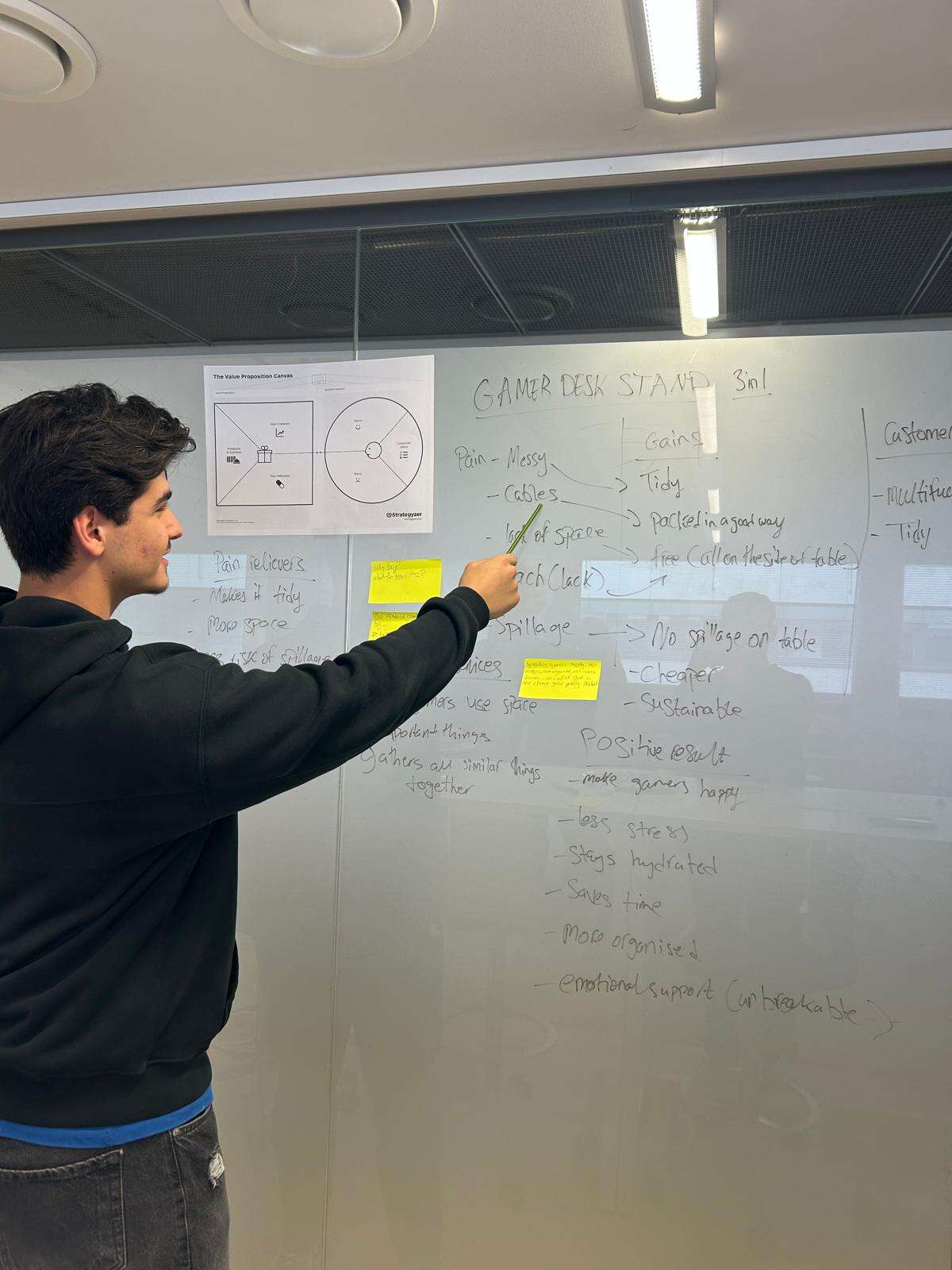
The hackathon also provided valuable lessons in collaboration and communication. Working within a diverse team improved my teamwork abilities and underscored the importance of effective communication in engineering projects. Presenting our ideas at the project's conclusion was both challenging and rewarding, ultimately increasing my confidence in discussing technical concepts and sustainability. I particularly valued the integration of creativity, engineering, and sustainability throughout the project. The Reed Hackathon emphasised sustainable product development using common reed as a biocomposite material and demonstrated how ideation, CAD, and rapid prototyping can foster innovation in engineering education.
Research in action: Developing reed-based composites
Working on my bachelor’s thesis, which focuses on reed-reinforced polypropylene composites, has been another significant experience. The thesis process provided opportunities to conduct material testing, analyse results, and develop scientific writing skills. I also gained a deeper appreciation for the patience and problem-solving required in research. Despite occasional challenges, contributing to the sustainability and innovative materials topic has been highly rewarding.
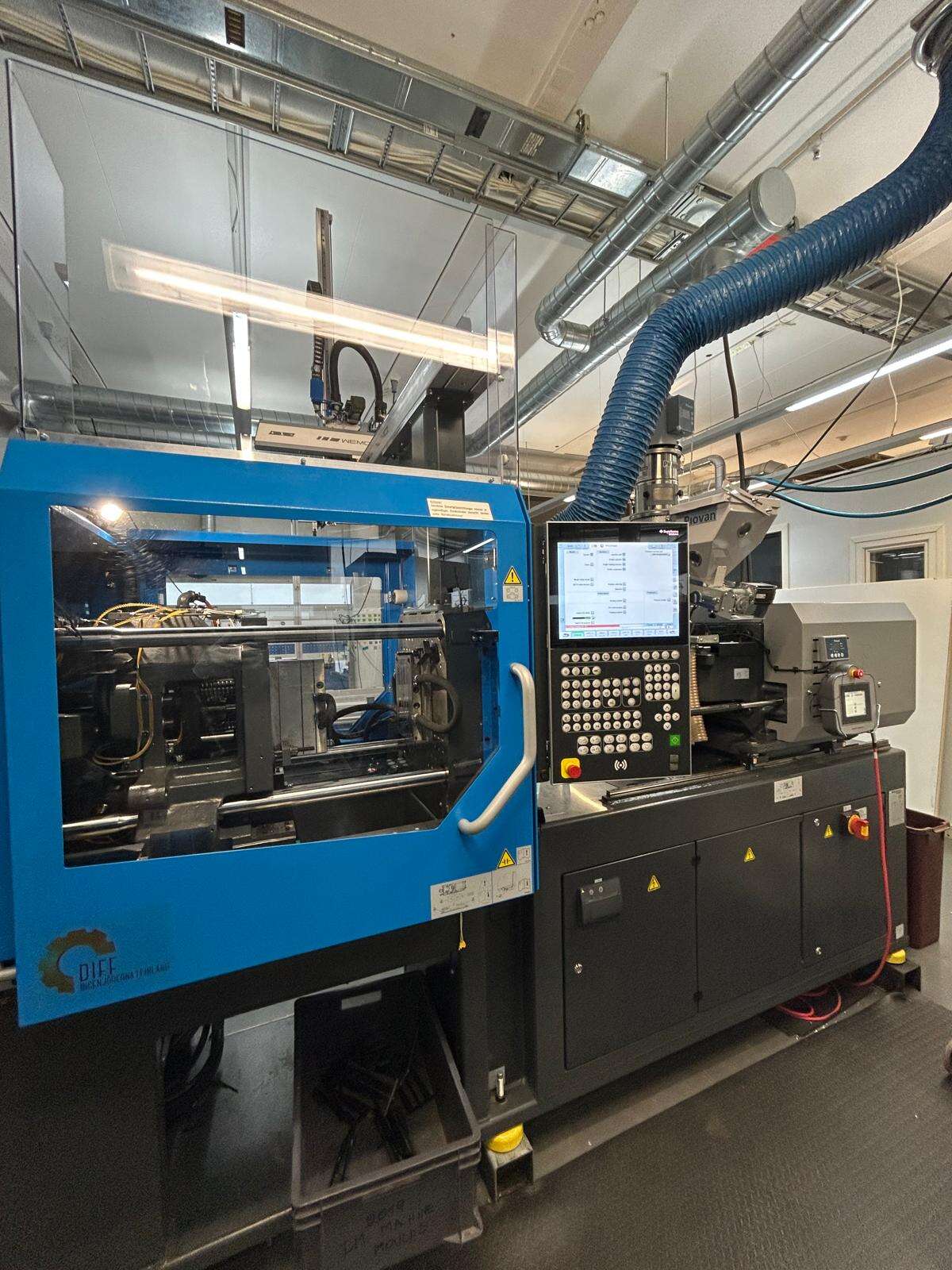
In addition to technical knowledge, the MSE programme has contributed to my personal development. Throughout my studies, I have learned to balance multiple projects, deadlines, teamwork, and part-time employment. I have also benefited from the support of classmates and instructors who fostered a positive learning environment. I particularly appreciate that Arcada encourages students to explore new ideas, collaborate, and engage in practical learning experiences.
More than a degree: a practical learning journey
Reflecting on my studies to date, I recognise that the MSE programme has provided far more than foundational engineering knowledge. It has offered practical experience, enhanced my confidence and teamwork skills, and enabled me to participate in significant sustainability and innovation projects. The integration of theoretical instruction, practical application, and real project work has made my academic journey both challenging and rewarding. I am grateful for the experiences and opportunities afforded to me at Arcada.
To learn more about the Baltic Reed Hackathon project, please see blog post: The Reed Hackathon: From idea to product development.
Are you curious to know more about the Mechanical and Sustainable Engineering programme at Arcada? Visit the programme page and find out if it could be a match for you.