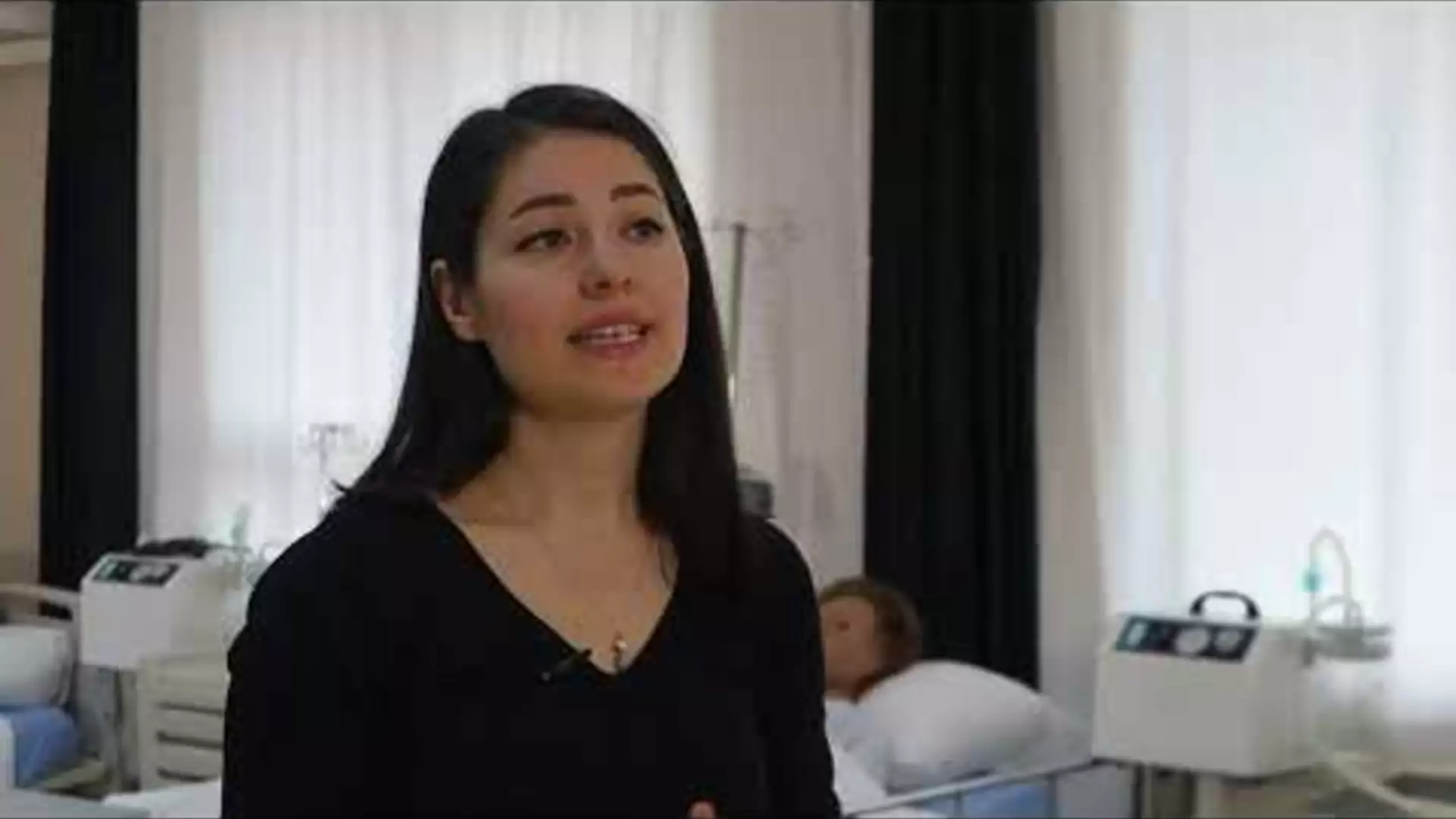
Best Practice Guide and its scenarios

Best Practice Guide: Digital and blended teaching and learning of practical skills in social and health care
About the guide
When communities worldwide were closed in the spring of 2020 when the Coronavirus disease (COVID-19) pandemic hit the world, the consequences for higher education in Europe were extensive. In a flash, higher education activities were moved online without enough time for neither preparation nor planning. Both students and the university's staff had to adapt to major changes in daily life. Follow-ups and evaluations showed that the universities coped with the change surprisingly well, but also that the challenges in teaching and learning were many, both for students and staff.
The guide is written because we want to share what we have developed and learned together with other universities in Europe.
Today we know that the changes that took place during the Coronavirus Pandemic have long-lasting consequences and that there are many different needs to continue developing new blended methods and strategies for teaching and learning. Read the guide and get our recommendations on how to tackle the challenges.
Scenarios in the guide
As a complement to the Best Practice Guide, videos have been created to showcase the scenarios.
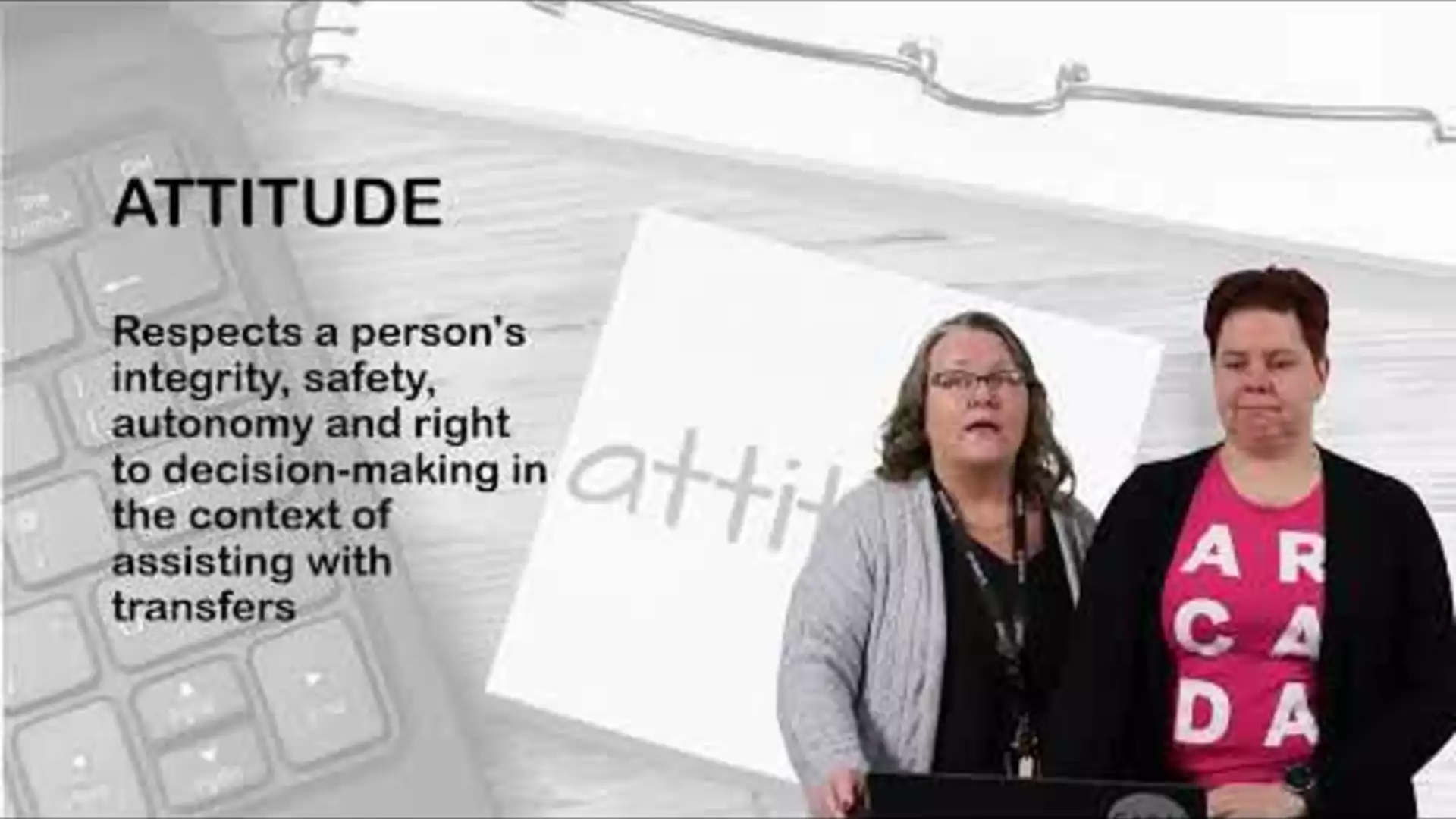
Scenario 1: Patient transfer and ergonomics
Refers to annex 2a in the publication. Video made by Arcada.
Remote video URL
You have not yet given permission to place the required cookies. Accept the required cookies to view this content.
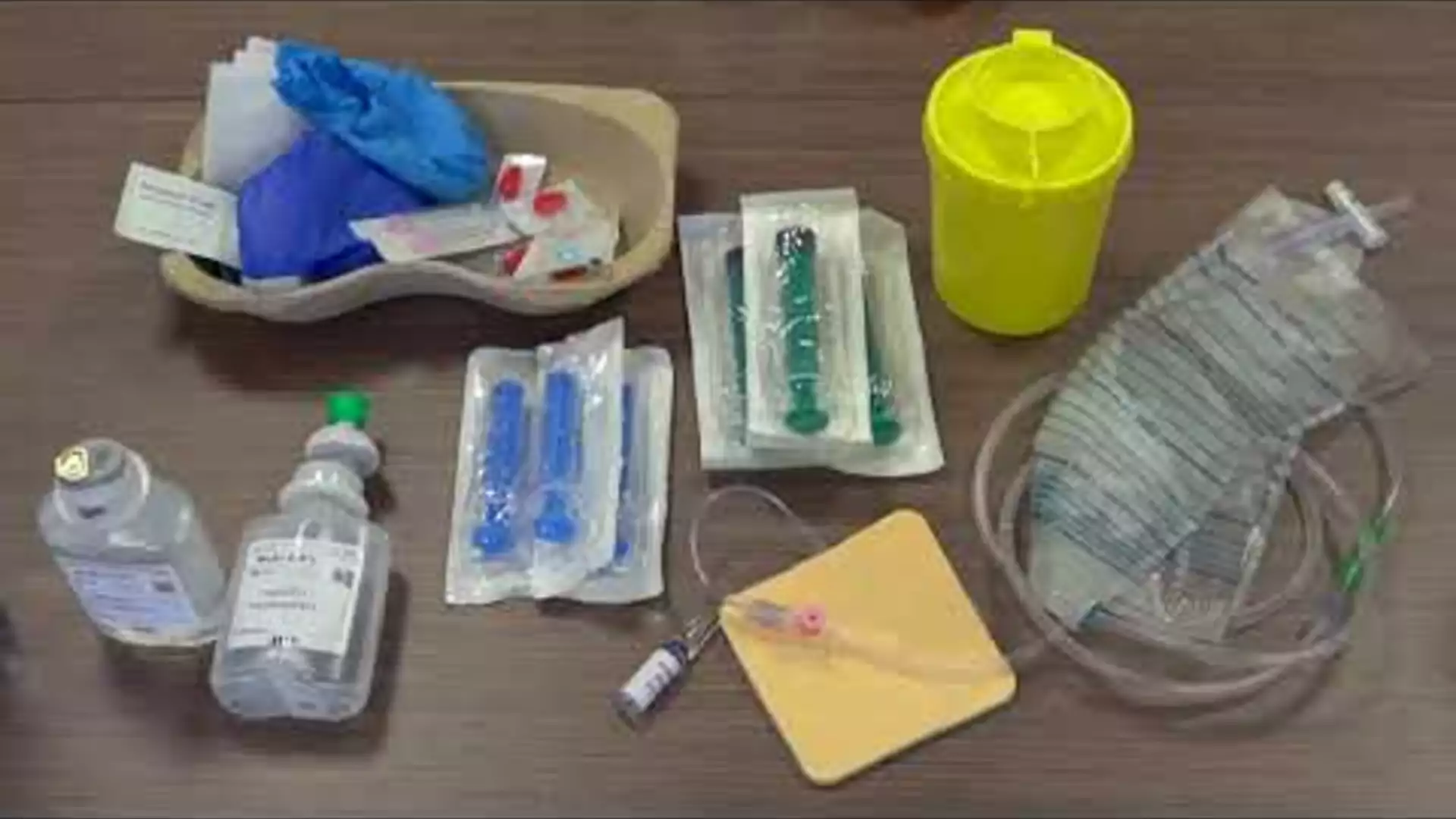
Scenario 2: Calculating and administering medication via a needleless pressure valve with correct patient identification
Refers to annex 2f in the publication. Video made by Riga Stradins University.
Remote video URL
You have not yet given permission to place the required cookies. Accept the required cookies to view this content.
Scenario 3: Integrate behavioral medicine approach in the physiotherapeutic functional behavior analysis
Refers to annex 2e in the publication. Video made by Mälardalen University.
Scenario 4: Patient in Hypoglycemia
Refers to annex 2b in the publication. Video made by Baskent University.
Remote video URL
You have not yet given permission to place the required cookies. Accept the required cookies to view this content.