
Arcada – a space for experiencing new things
Published : 13.05.2026 / Blog
When Musawir arrived at Arcada to study in the Mechanical and Sustainable Engineering programme, he carried with him the confidence of someone who thought he knew what to expect. It didn’t take long for that certainty to shift. His first year unfolded like a slow recalibration, revealing just how much he still had to rethink, revisit, and rebuild.
This blog post is written by Musawir Ahmad, student in the bachelor's degree programme Mechanical and Sustainable Engineering at Aracada.
My first year at Arcada felt like learning how to walk again.
Not from scratch but close enough.
It was a year of revisiting things I thought I already knew. Concepts that once felt solid suddenly needed reworking. Some had to be unlearned entirely. Others reshaped. It was slow, almost uncomfortable at times. Like taking baby steps in a space where you assume everyone else is already running.
But no one really is.
Everyone is just better at hiding it.
There is something quietly unsettling about that first year. You come in with a version of yourself that feels somewhat completely built from school, expectations, and whatever you thought your field meant. And then, without any dramatic announcement, that version starts to shift. You begin to notice gaps. Not failures, just gaps. In understanding, in confidence, in how you approach problems.
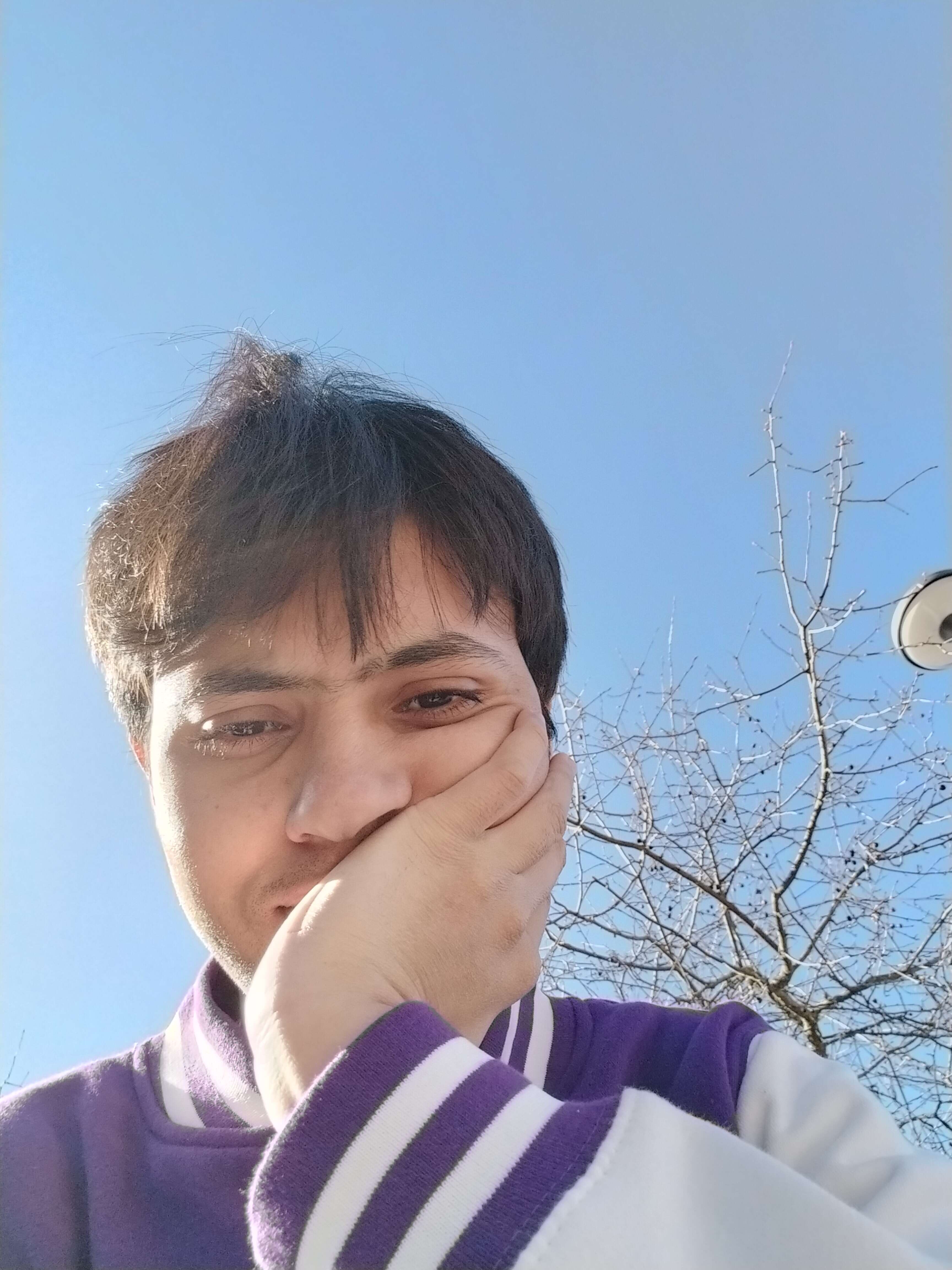
And Arcada does not rush to fill those gaps for you.
It lets you sit with them.
At first, that feels frustrating. You want clarity. Structure. A sense that you are doing things “right.” But instead, you get space. Space to revisit, relearn, and unlearn in the right proportions. Space to question things you previously accepted without much thought.
Looking back, that year was not about progress in the traditional sense.
It was about adjustment.
A slow recalibration of how I think, how I learn, and how I exist within a field that is far more layered than it first appears.
Offering guidance while still finding my way
By second year, something shifted.
I stepped into tutorship, and for the first time, I wasn’t just trying to find my place, rather, I was helping someone else find theirs. Freshmen who looked exactly how I must have looked a year ago: slightly lost, slightly intimidated, trying to make sense of it all.
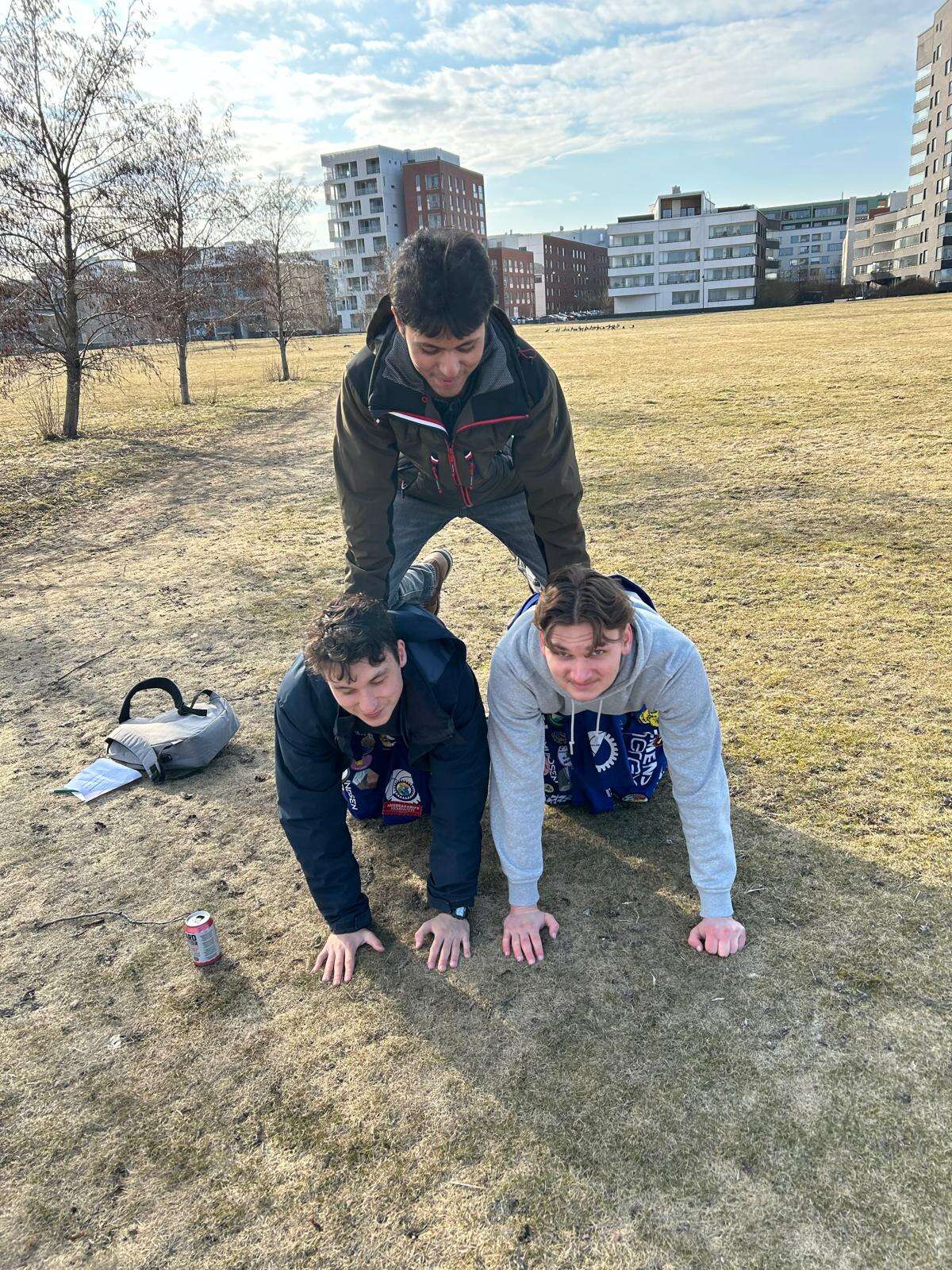
And somewhere in guiding them, I understood my own journey better.
Tutorship was not just answering questions or pointing people to the right lecture hall. It was about reassurance, quietly telling someone, “You are not the only one who feels like this.” And in doing that, I started to believe it myself.
If Arcada is the doorway, ASK is the key
That same year, I ran for the ASK elections.
I didn’t overthink it. I just put myself forward and somehow, I got elected as the board member responsible for advocacy and collaboration. That role changed everything, well mostly.
It placed me in rooms with people who cared. People who were actively trying to make student life better, not just for themselves, but for everyone around them.
Through that, I found myself stepping into spaces I had never imagined before. Spaces that felt bigger than the campus itself. NYCCC. The Sustainable Journalism Partnership forum. Remote participation in COP in Brazil. Conversations around youth leadership, climate, policy...things that once felt distant suddenly became part of my everyday environment.
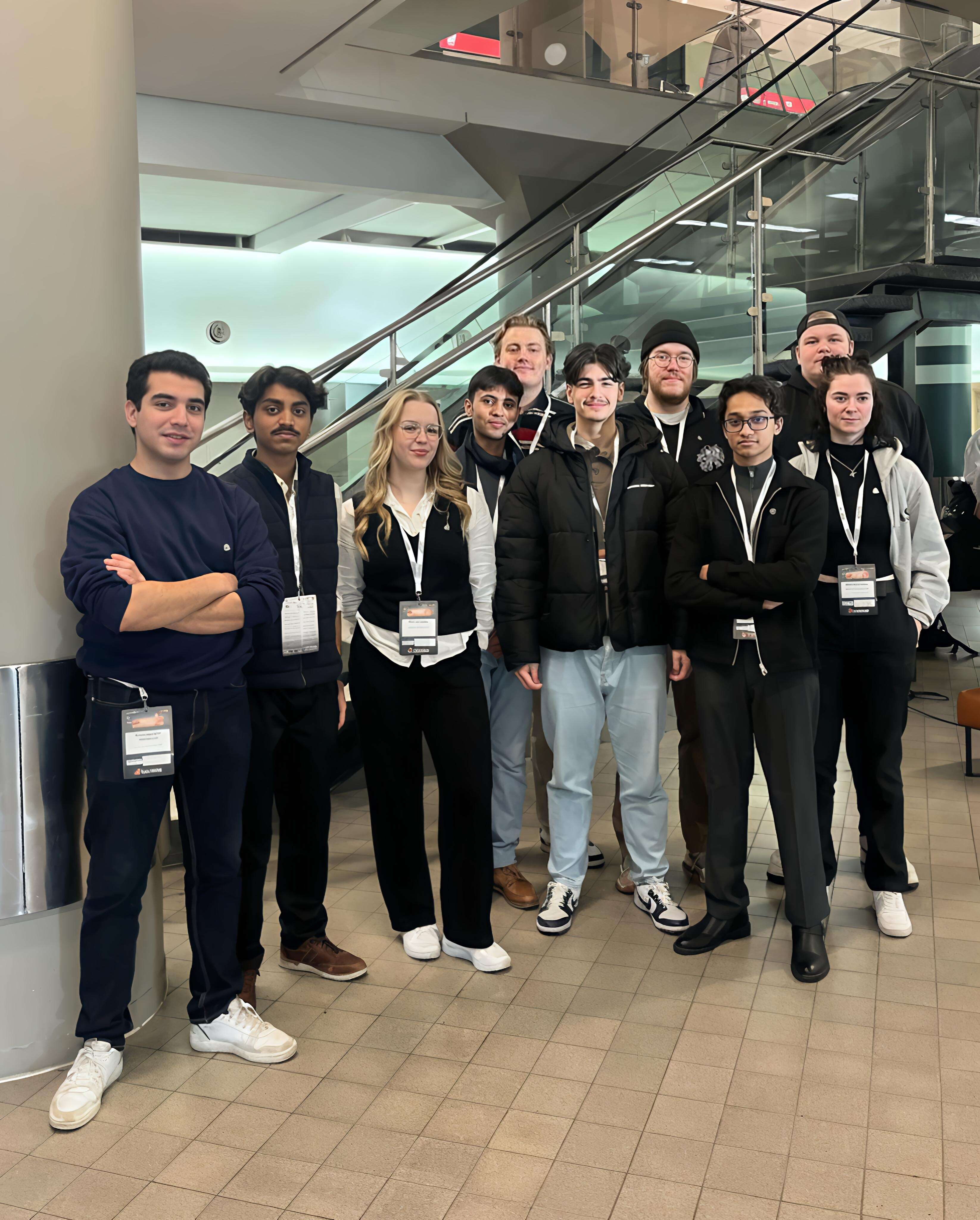
It was exposure in the truest sense.
Not just to opportunities, but to people who were doing meaningful work. People who were passionate, driven, and deeply invested in causes that extended far beyond their own academic paths.
That period felt like a transition.
Not immediate. Not loud. More like a slow-burning candle. Gradually illuminating corners I did not even know existed. Expanding the boundaries of what I thought I could be involved in, what I could contribute to.
Maybe other universities offer similar opportunities.
But for me, this is where it happened.
This was the turning point.
Chaos doesn't mean stagnation
And then came the third year.
Or what feels like a controlled collapse.
This is the part no one really prepares you for. The chaos. The quiet panic. The moments where you question why you chose your programme in the first place. The piling up of courses that need closure. The looming presence of a thesis that feels too large, too complex, too undefined.
There were days of frustration.
Days of doubt.
Days where everything felt slightly too much.
And yet, there was also movement.
Slow, uneven, but real.
Assignments got submitted. Courses that had been lingering in the background finally came to an end. The thesis, something that once felt impossible to even begin, started to take shape, piece by piece. Not perfectly, but sufficiently.
That is something you learn here as well.
Perfection is rarely the goal.
Completion is.
Understanding is.
Growth is.
With permission to grow imperfectly
Somewhere between all the chaos, things started settling. Not in a dramatic, celebratory way, but in a quieter sense. A kind of internal shift from constant urgency to something closer to calm.
And then, eventually, it ends.
Not with a grand moment.
But with silence.
And a kind of contentment that only comes after you have pushed through something that demanded more from you than you initially thought you had to give.
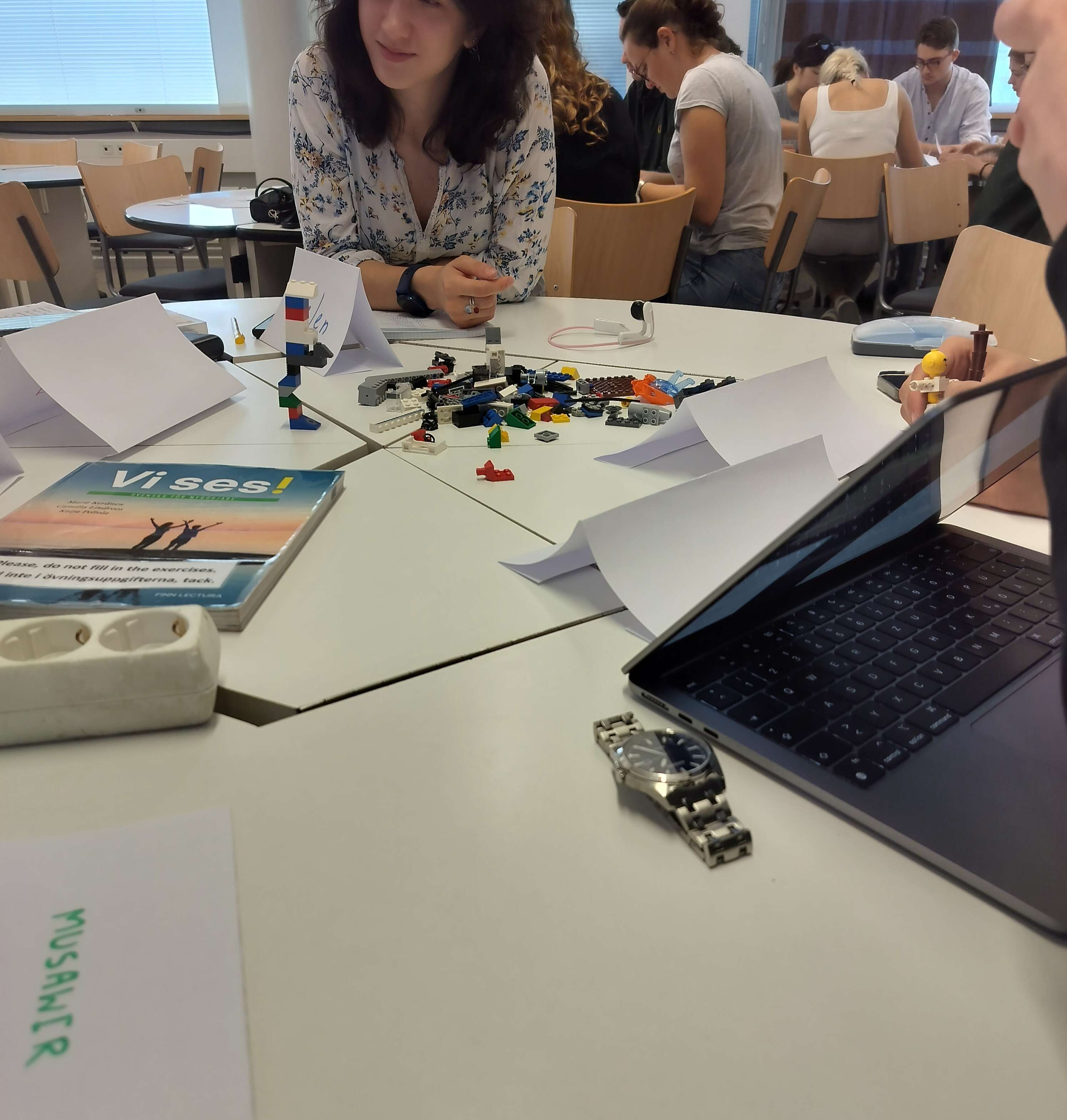
And then....life does what it tends to do.
It surprises you when you are not actively looking for it.
Just four hours before writing this, I received an email.
I have been selected for two student representative positions for technology and research at Arcada.
There was no dramatic reaction.
No overwhelming rush.
Just a quiet pause.
A moment of recognition that maybe all the small, consistent efforts, the decisions to show up, to apply, to ask, to try...had been adding up in ways I could not immediately see.
If there is anything Arcada has taught me, it is this:
You have to throw yourself into things.
Even when you feel underprepared.
Even when you are unsure.
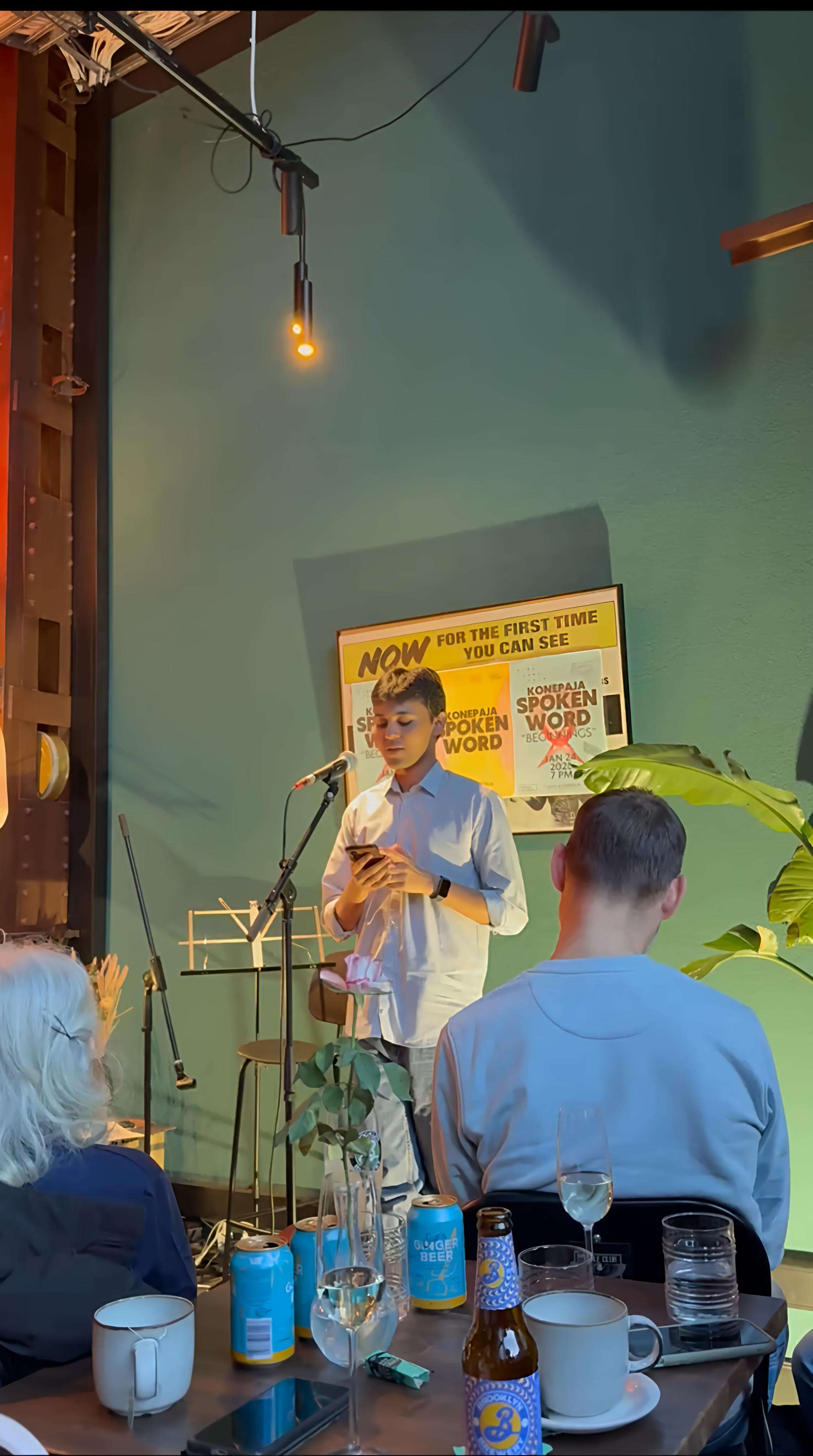
Ask questions, even when they feel unnecessary. Be a little persistent...maybe even a little annoying at times. Take up space before you feel fully ready for it.
Because this is the place where you are allowed to get it wrong.
To mess up.
To fall.
And then to get back up, without losing your sense of self in the process.
There is a kind of grace in that.
A quiet permission to grow without the pressure of having everything figured out from the beginning.
Arcada, for me, has not been about having a perfectly structured journey.
It has been about experiencing things I did not plan for.
Becoming someone I did not fully anticipate.
And learning that uncertainty is not something to fear but something to work with.
Because in the end, you don’t just only have answers.
Rather, you’re capable of handling the questions as well.
Are you curious to know more about the Mechanical and Sustainable Engineering programme at Arcada? Visit the programme page and find out if it could be a match for you.